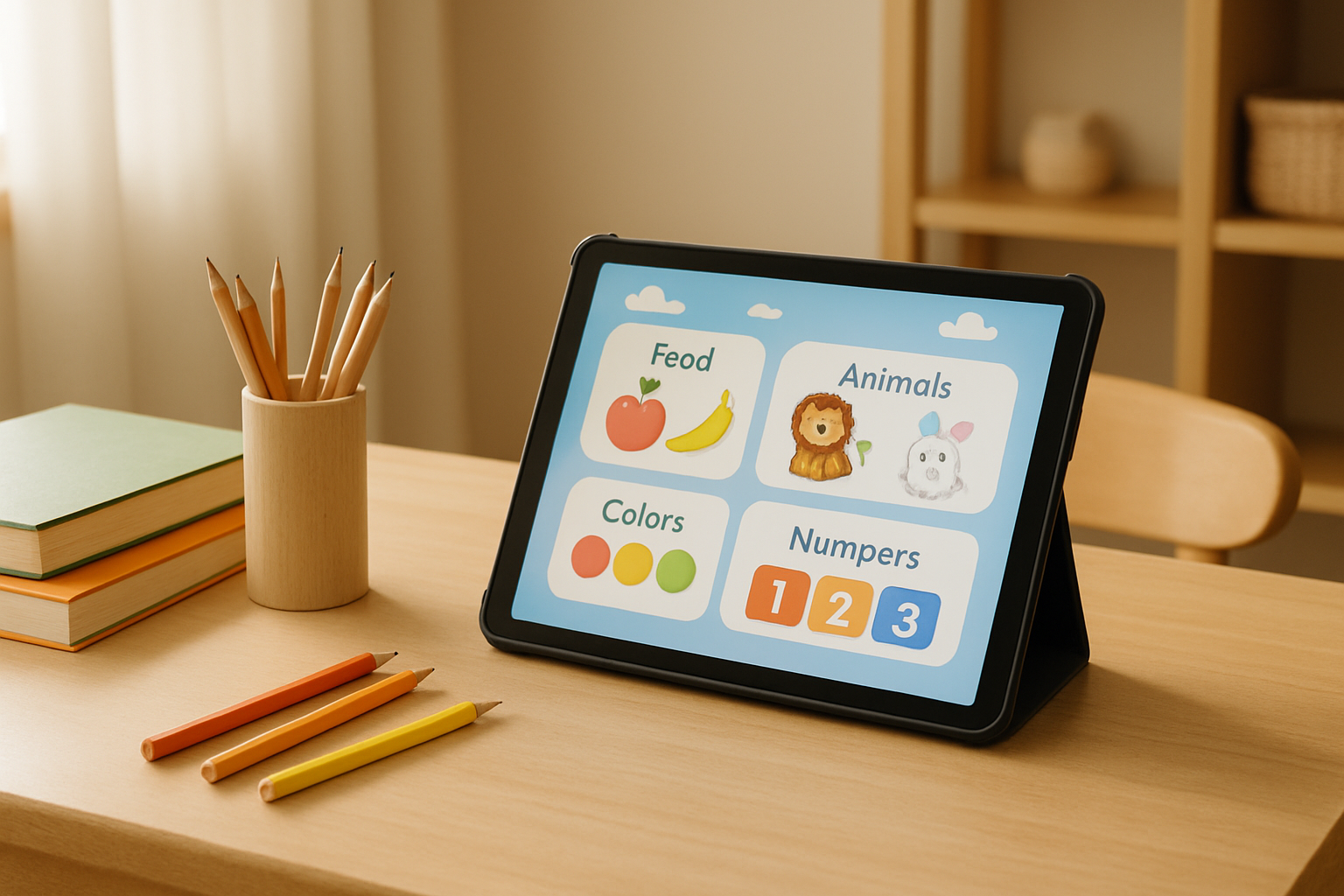
Elementary English workbooks can be broadly divided into three types: home-visit programs centered on printed materials (such as Kumon English and Noonnoppi English), learning programs that combine audio materials with coaching (such as Yoon's English), and specialized academy curriculum programs designed to let children continue an English academy curriculum at home (such as Cats English). It is difficult to say that one type is better than another, because the right choice can vary depending on which areas a child needs to improve.
If establishing a daily study habit is the priority, a print-based program can be a good choice. If you want your child to study the six key areas of reading, listening, speaking, grammar, vocabulary, and writing in a balanced way while intensively improving their overall English ability, a specialized academy curriculum program may be a better fit. Before comparing brands, it helps to first decide which learning method your child needs.
Why “Which workbook is good?” is a difficult question
When you search for workbooks, you will see many familiar brands, but there is less information than you might expect explaining the criteria you should use to choose one. As a result, reading more reviews can sometimes make the decision even more difficult. One family may say it was satisfactory, while another may say it did not produce the results they expected.
These assessments differ because the learning methods themselves are different. A workbook focused on establishing study habits and a specialized academy curriculum program that systematically teaches English as a whole have different goals from the outset. Understanding the types first makes it much easier to choose what suits your child.
Type 1. Home-Visit Programs Centered on Printed Materials
With this method, children complete a set amount of printed material each week, and a visiting teacher checks their progress. As the most familiar type of workbook program, it helps children establish consistent study habits and repeatedly practice basic vocabulary and grammar.
On the other hand, activities that involve directly using English, such as listening and speaking, may be relatively limited. Children get ample practice answering questions and reading, but may have fewer opportunities to practice or say the expressions they have learned. It is also important to consider that some home-visit programs focus more on coaching than teaching.
Type 2. Audio- and Coaching-Centered Programs
This method adds phone or video coaching to audio-based learning. It is well suited to creating an environment in which children hear English consistently, and a set coaching schedule can help them maintain a learning rhythm. However, the extent to which grammar, writing, and reading are covered varies by program. Before starting, it is advisable to check which areas are included.
Type 3. Curriculum Programs That Continue Academy-Style Lessons at Home
This type delivers an English academy curriculum through smart-tablet-based learning. Cats English falls into this category. Rather than ending with answering questions, it uses a combined input-and-output structure that naturally progresses from learning content in lessons (input) to practicing it again by speaking and writing (output).
Cats English is structured to cover the six key areas of reading, listening, speaking, grammar, vocabulary, and writing, based on 2,120 specialized academy textbooks, 4,783 lessons, and 36,312 content segments. Children can continue reviewing after lessons through an intensive practice app linked to all the textbooks, while the AI English friend Foxley initiates conversations to create opportunities for them to use English. It also offers live classes 1–2 times each week and recommends a learning sequence suited to each child's level based on level-test results, features that distinguish it from other types. The curriculum is based on content and curricula from Danbi Education's CATS, adopted by 82% of academies nationwide, which also distinguishes it as a learning method that has been used by many academies.
The Three Types at a Glance
| Item to Check | Print-Based Home-Visit Program | Audio and Coaching Program | Specialized Academy Curriculum Program (Cats English) |
|---|---|---|---|
| Learning Medium | Printed Materials | Audio + Phone or Video | Smart Tablet + Textbook-Linked Practice App |
| Strengths | Habits and Repeated Vocabulary and Grammar Practice | Listening Exposure | Six Key Areas and School Exam Preparation |
| Speaking Practice | Structurally Limited | During Coaching Sessions | Daily 1:1 Exposure with AI Foxley |
| Progress Method | Fixed Weekly Amount | Varies by Product | Personal Schedule Based on a Level Test |
| Lessons | Focused on Progress Checks | Coaching Calls | Live Classes 1–2 Times Each Week |
Before Choosing, Be Sure to Check These Three Things
First, define the learning objective. The appropriate learning method may differ depending on whether the priority is to establish a habit of studying consistently every day or the goal is to improve overall English ability in addition to establishing consistent study habits.
Second, see how many of the six key areas are covered. The learning experience differs depending on whether the program focuses on vocabulary and grammar or also covers reading, listening, speaking, grammar, vocabulary, and writing. Particularly during the elementary school years, when children are building foundational skills, it is important to study these areas in a balanced way rather than repeatedly focusing on only certain areas.
Third, check whether the structure supports consistent review. A method that relies solely on the child's willpower to continue reviewing may be difficult to sustain for long. Having a set amount to study each day and an environment where learning records can be checked helps children stay consistent.
Looking at Each Grade Level Makes the Choice a Little Easier
Even with the same workbook, the method that fits best can vary depending on the child's grade and current level.
For children preparing to enter elementary school through first grade, it is important to establish study habits and become familiar with the sounds of English. You can also consider using print-based materials to establish study habits while increasing listening and speaking experience. If you choose a curriculum program, check whether your child can begin at a foundational stage based on the level test. Cats English is available to children preparing to enter elementary school (age 7), who can begin learning after taking a level test.
Grades 2–4 are when differences in English ability gradually begin to emerge. If children continue studying only vocabulary and grammar, they may lack speaking and writing experience, so a curriculum covering all six key areas is also worth considering.
Because grades 5–6 are the time to prepare for middle school English, many families consider whether to maintain their current program or switch to a more systematic curriculum. Cats English also structures its curriculum to progress from elementary-level foundations through the foundational stage of preparation for school exams and the CSAT.
Frequently Asked Questions
If the current program has successfully established study habits and the goal is to supplement vocabulary and grammar without English lessons, it is fine to continue. However, if your child needs specialized English lessons together with learning across all six key areas, including vocabulary, grammar, speaking, and listening, you can also consider adding or switching to a specialized academy curriculum program.
The two methods serve somewhat different roles. Academies center on in-person lessons, while workbook programs focus on establishing a habit of studying consistently at home. Specialized academy curriculum programs are designed to continue an academy-style learning sequence at home, so some families choose them when they want systematic study with less travel time. Cats English includes 2,120 specialized academy textbooks and a 4,783-lesson curriculum. Because it is based on content from Danbi Education's CATS, adopted by 82% of academies nationwide, it can be used as an alternative to an academy.
Yes, if they can begin at a stage suited to their current level. Cats English is available from the year before elementary school (age 7), and at the beginning, having a parent set a regular study time together with the child helps establish a habit.
Check whether the learning program is structured to support consistency. If it provides a set amount to study each day, includes motivational features, and offers scheduled live classes, it can help maintain a study rhythm. It is also advisable to check whether learning records are available.
It is possible if the areas do not overlap, but during the elementary school years, learning all six key areas in a balanced way within a single curriculum may place less of a burden on the child than pursuing several programs simultaneously. If you are considering combining programs, first check which areas are currently lacking.
Rather than looking only at the monthly fee, it is advisable to check which services are included, such as textbooks, lessons, review, and learning management. The scope of services may vary by program, so please refer to each brand's official information for details.
Reference Materials and Sources
- Official Cats English website (catsenglish.net): Curriculum, practice app, and live class information (Operator: Danbi Education)
- Information about other workbook programs was organized according to general program types. Please consult each brand's official information to confirm the details of its program.
- Last updated: July 2026